
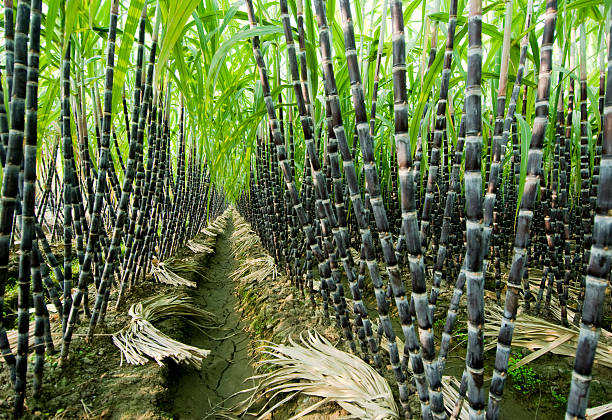
Between 2018–19 and 2024–25, the area under sugarcane cultivation in Krishna district decreased dramatically from 17,000 hectares to approximately 3,200 hectares. Notably, sugar mills in Challapalli Lakshmipuram (closed in 2020) and Hanuman Junction (closed in 2014) have ceased operations, leading to a reduction in processing capacity and affecting farmers’ incomes
Challenges Faced by Farmers
Farmers in the region are grappling with escalating production costs, labor shortages, and delayed payments from sugar mills. For instance, in the Visakhapatnam area, only one out of four sugar mills remains operational, owing farmers substantial dues and requiring additional funds to function effectively
Shift to Alternative Crops
Due to the challenges in sugarcane farming, many farmers have transitioned to cultivating crops like maize, paddy, and groundnut, which are less resource-intensive and offer more immediate returns. In the 2025 Kharif season, sugarcane sowing was completed in just 0.13 lakh hectares, approximately 34% of the normal area, highlighting the shift in cropping patterns
Support for Farmers
Despite the decline, there are efforts to support sugarcane farmers. For example, in Avanigadda, initiatives like organic jaggery production have been promoted as alternative income sources for farmers YouTube. Additionally, sugarcane seedling manufacturers in nearby areas like Nuzvid provide resources to aid in the cultivation process
The sugarcane farming sector in Avanigadda faces significant challenges due to economic and infrastructural issues. While some farmers are adapting by diversifying their crops and exploring alternative income streams, sustained support from the government and the revival of processing facilities are crucial for the long-term viability of sugarcane cultivation in the region.